
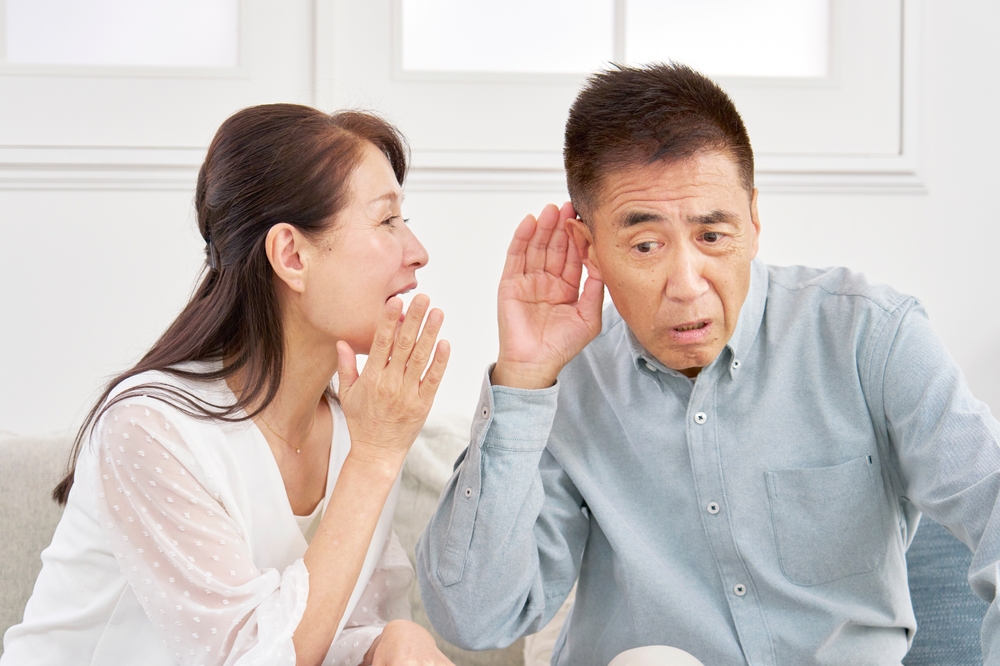
Although hearing loss affects a vast demographic, false narratives continue to obstruct the path to effective ear care. And with hearing loss, getting the right care at the right time is critical. Adhering to standard hearing myths often leads to diagnostic delays and a measurable decline in life quality.
Identifying the facts behind auditory health allows you to navigate clinical options with technical certainty. The following analysis deconstructs seven common hearing fallacies using modern audiological data.
Myth: Hearing Impairment is Solely a Condition of Aging
Although aging affects the ears, hearing loss is not exclusive to the elderly population. Hearing impairment in younger patients is frequently caused by environmental noise, genetic predisposition, or systemic illness.
Viewing hearing impairment through an age-restricted lens delays diagnosis for millions of younger individuals.
Myth Two: Auditory Awareness Equals Perfect Hearing
Hearing loss doesn’t have to mean complete deafness. Often, the issue is not a lack of sound but a lack of speech intelligibility in social settings. The space between normal hearing and total impairment is populated by various degrees of clinical challenges.
You might notice difficulty following conversations in noisy environments, frequently asking others to repeat themselves, or feeling mentally exhausted after social interactions. These markers represent initial auditory shifts that warrant a professional evaluation.
Myth: Auditory Decline is a Low-Stakes Issue
Ignoring hearing loss creates systemic health risks that impact the entire neurological system. Clinical studies associate untreated impairment with isolation, elevated cortisol levels, and accelerated cognitive decline.
Managing your hearing health is a critical step in preserving your holistic quality of life.
Myth Four: The Deterioration Fallacy
The fear that hearing aids weaken the natural ear is a persistent but medically unfounded myth.
Properly programmed hearing aids pose zero risk of physical damage to the auditory system. Instead, they amplify sounds based on your hearing test results. Consistent use of hearing aids maintains the neural pathways required for clear sound interpretation.
Myth Five: The Aesthetic Stigma Fallacy
Modern hearing technology has advanced significantly. Contemporary hearing aids deliver elite processing power within incredibly discreet housings. Patients can now choose custom-molded options that sit deep within the ear canal for total discretion.
Beyond their small profile, these devices feature AI-driven noise cancellation and seamless smartphone integration.
Myth: Small Hearing Changes Don’t Warrant Clinical Action
Even mild hearing loss can impact communication and daily life. Addressing loss early eliminates listening fatigue and protects against chronic mental exhaustion.
Maintaining communicative fluency is far easier when you address auditory shifts in their infancy.
7. Myth: Over-the-Counter Solutions Are Always Enough
Generic OTC amplifiers lack the sophisticated frequency shaping required for complex hearing loss profiles. Professional diagnostics ensure your hearing solution is “tuned” to your specific environment and biology.
Individualized care ensures your device feels natural while providing crystal-clear sound quality.
Your Path to Clarity: Rejecting Common Hearing Fallacies
Auditory shifts can be daunting, leading many to avoid the clinic through a “denial” response. Relying on misinformation ensures that your auditory challenges will become more difficult to manage. A professional assessment is an easy, stress-free way to gain total clarity on your ear health.
Should you perceive even minor shifts in your auditory acuity, a baseline exam is your most critical move. Seeking help sooner rather than later preserves both your social life and your neurological sharpness.
For more information or to book your next hearing test, please contact our clinic today. Contact our office today to schedule your personalized hearing consultation.