
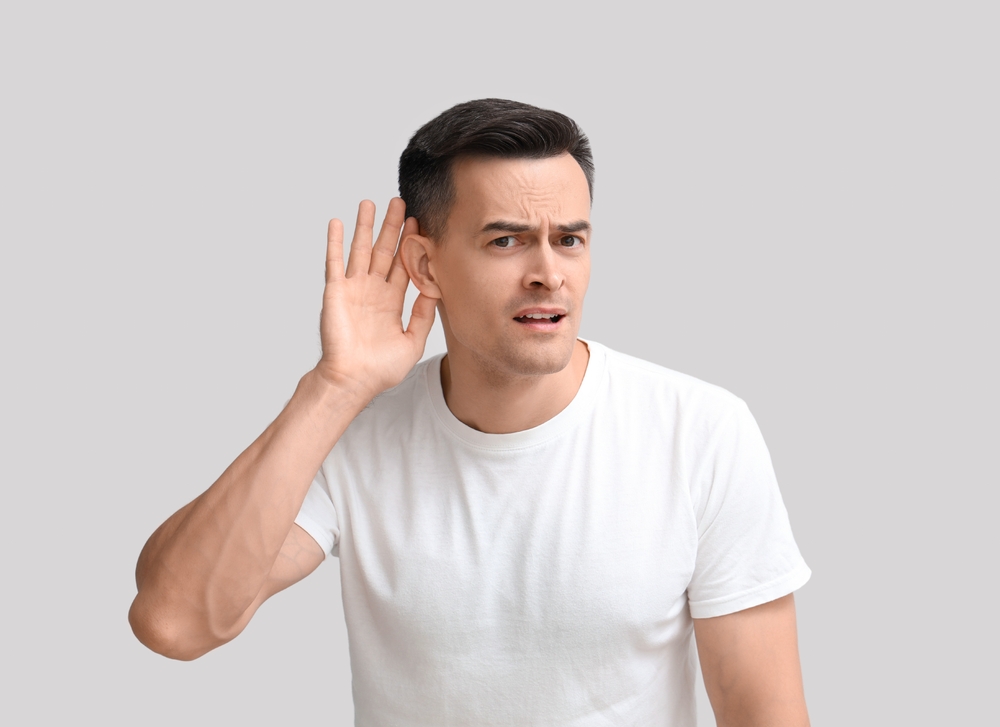
Have you ever felt totally drained after a long conversation or social gathering?
Many individuals mistakenly categorize this depletion as standard daily stress or emotional burnout. Certainly, for those with introverted tendencies or sensory processing sensitivities, social engagement is naturally taxing. Frequently, this specific type of burnout is actually triggered by chronic auditory fatigue.
Essentially, auditory fatigue is the result of the brain over-functioning to compensate for poor sound quality. If auditory input is degraded, the brain must engage in constant phonemic restoration to bridge the gaps in speech. Over time, this constant strain can leave you feeling mentally exhausted.
Most individuals fail to distinguish between localized auditory fatigue and general fatigue. In many cases, persistent fatigue serves as a diagnostic “red flag” for early-onset hearing impairment. A comprehensive assessment can help determine whether hearing loss is contributing to your symptoms. Persistent patterns of post-social exhaustion warrant a discussion regarding the impact of hearing loss.
What Causes Auditory Fatigue?
The risk of developing auditory fatigue is increased by several physiological and environmental factors.
The Hidden Cost of Ignoring Hearing Loss
The absence of treatment for hearing loss is the most frequent driver of this neurological strain.
The inability to capture high-frequency sounds forces the brain to work double-time to interpret the message. The mental labor required for constant speech reconstruction causes energy levels to plummet during social interaction.
How Background Noise Triggers Fatigue
Acoustically complex settings serve to intensify the demand on the brain’s filtering systems. Environments with significant background chatter make it difficult for the brain to isolate and prioritize relevant audio signals.
When multiple sounds occur at once, the brain must filter through them to identify the important information. This process can create cognitive overload, especially for people with hearing loss (even mild cases).
The Role of Tinnitus in Auditory Fatigue
Tinnitus, often described as ringing or buzzing in the ears, can also contribute to listening fatigue because the brain must process external sounds and internal noise signals simultaneously.
A distorted acoustic signal acts as a “broken link,” requiring the brain to expend extra energy to fix the data in real-time.
Common Signs of Auditory Fatigue
The manifestations of auditory fatigue impact both cognitive performance and systemic energy reserves. Frequently observed symptoms include:
- Sense of being “wiped out” after a basic discussion
- Struggles with cognitive focus during collaborative sessions
- Headaches after long listening periods
- Irritability or frustration in social settings
- Withdrawing from conversations or social events
- Needing a nap or quiet time after social interaction
Frequent presentation of these symptoms is a clear sign of neurological auditory over-exertion.
The Neurology of Effortful Listening
When hearing is clear, the brain can process speech almost effortlessly. Conversely, hearing loss forces the brain to redirect energy from other executive functions to assist in sound decoding.
In clinical literature, this phenomenon is identified as a surge in cognitive load. This energy shift often leaves the patient struggling with recall and attention while they try to listen. Sustained energy redirection eventually results in a state of total mental insolvency. The effort required for even a 10-minute talk becomes disproportionately high.
How a Hearing Test Can Identify the Problem
When fatigue becomes a daily burden, a professional evaluation provides the necessary data for a solution. In the clinic, an expert will assess your ability to detect specific pitches and interpret clear speech. Testing your hearing in a noisy context is vital for identifying the true drivers of your social exhaustion.
The data from your exam will determine if your fatigue is rooted in a physiological hearing deficit. Identifying hearing changes early allows treatment to begin sooner, helping reduce listening strain before it begins affecting daily activities and social interactions.
How Modern Technology Lowers Cognitive Load
Clinical intervention is proven to drastically reduce the mental burden of communication.
Advanced hearing aids utilize AI to sharpen speech signals while simultaneously suppressing irrelevant environmental noise. By delivering a clean signal, these devices eliminate the need for the brain to expend energy on reconstruction.
Once auditory strain is reduced, the following areas often show significant improvement:
- Sustained cognitive stamina during the workday
- Focus during conversations
- A return to enjoying busy restaurants and gatherings
By reducing neural over-exertion, your daily life regains its sense of ease and fluidity.
Recognizing the Right Moment for a Hearing Test
It may be time to schedule a hearing evaluation if:
- Socializing feels like a high-intensity mental workout
- Others comment on your need for frequent repetition during social calls
- You struggle to follow discussions in noisy environments
- Social withdrawal is becoming your default response to difficult acoustics
Seeking prompt audiological care is the most effective way to reclaim your energy and social confidence.
Frequently Asked Questions: Auditory Fatigue
Distinguishing Between Exhaustion and Impairment
No—fatigue is the “symptom” (burnout), whereas loss is often the “cause” (the impairment). While they are different, hearing loss is the direct driver of most fatigue cases.
Can Technology Lower My Cognitive Load?
Yes—current technology is specifically designed to minimize the cognitive cost of communication.
Can I Recover from Auditory Fatigue?
With the right treatment, the exhaustion associated with auditory fatigue is often completely reversible.
Reclaiming Your Energy After Social Events
It is not “normal” to be wiped out by a simple talk with a friend. If you are suffering from chronic post-social burnout, your auditory system is likely over-exerting itself.
Schedule your hearing test today by contacting us today. Reclaim your social life and your energy by getting the truth about your auditory health today.