
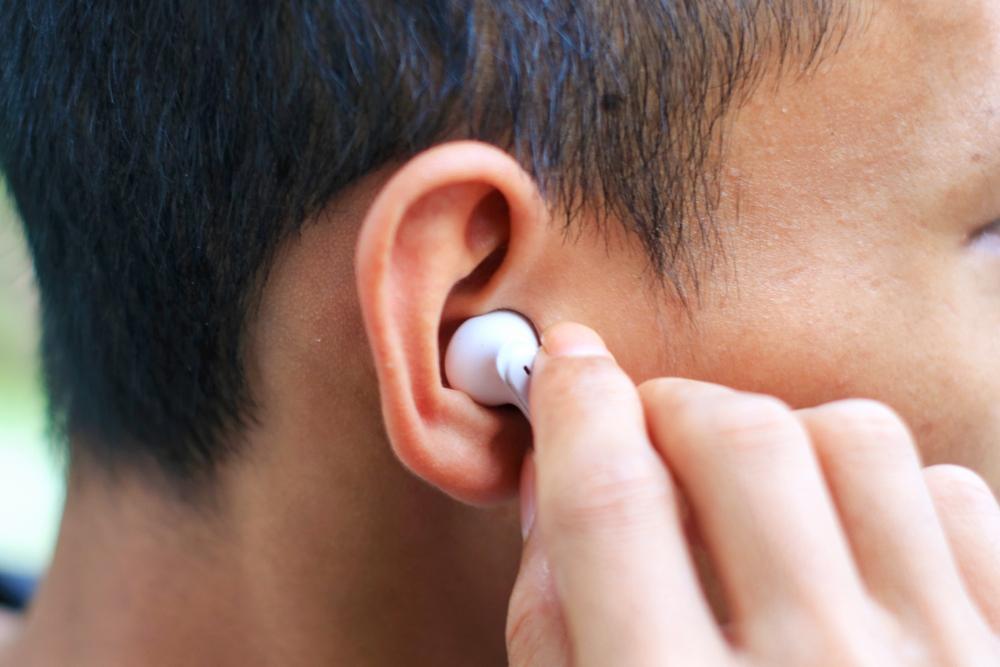
Rarely do we see a young adult in public without an earbud in their ears. Headphones are a bit more cumbersome, but teens still find them a way to escape from their surroundings. Musical enjoyment knows no age limit, though the younger generation has integrated it more deeply into their daily transitions. This leads to the clinical question: can the proximity of these devices to the ear canal trigger permanent auditory damage? Ultimately, hearing health depends on the management of volume and duration rather than the device category.
When Healthy Listening Becomes Hazardous
The psychological impact of music varies, serving to calm the nerves, provide emotional solace, or increase physiological arousal. Depends on the music. Utilizing personal audio devices is considered a social courtesy, allowing for private enjoyment in communal spaces. This is a widely appreciated social habit that helps maintain a respectful atmosphere in shared transport settings.
The primary clinical concerns center on the precise limits of sound pressure and the length of the listening session. The biological fact is that high-intensity sound waves are inherently damaging to the auditory system. If you maintain a high volume for a long period, you risk destroying the hair cells in your inner ear. Because auditory decline is often a slow, cumulative process, the damage is frequently advanced before symptoms are noticed.
Why Earbuds Pose a Unique Threat to Hearing Health
Volume is the key danger for noise-induced hearing loss. Despite this, the cumulative hours of exposure are just as dangerous as a single loud blast.
- Clinical guidelines from the NIH suggest that listening at or below 70 dB prevents damage regardless of the duration.
- High-intensity sound waves cause cellular damage in a fraction of the time required by moderate sounds.
- Follow the 60/60 rule. Keep the volume under 60%, and avoid using them longer than 60 minutes at a time.
- Ensuring long-term hearing health requires a proactive reduction in volume and strict limits on listening time.
Indicators That You May Need a Hearing Evaluation
Common indicators such as “ringing” in the ears and a recurring inability to understand speech in loud rooms warrant an immediate specialist consultation.
Contact our office today if you suspect you may have hearing loss.